

Transition doula helping women and LGBTQ+ folx align death with their personalities (and make it less scary!). Serving West Central Wisconsin in-person or virtually from wherever you are. This is a safe space to talk about or experience death, grief, and dying.
![[background image] image of ornately illustrated arch with roots, seed, and blooming flower inside.](https://cdn.prod.website-files.com/6a45515411bc702fd1a57855/6a46a7877e30667d81789c1f_Main%20Logo%20-%20Light.svg)
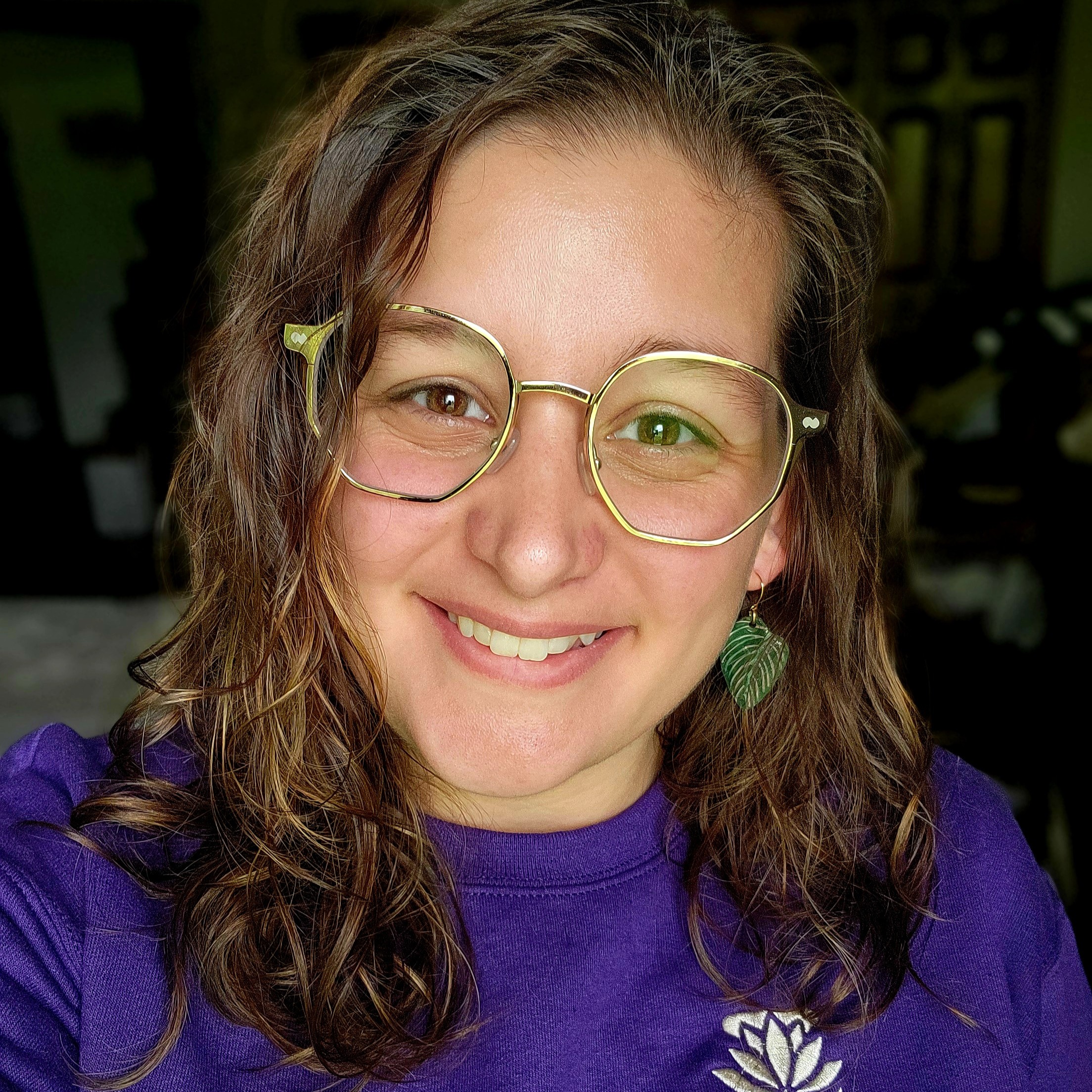
My name is Brittany, and I'm the person behind Liminara.
I've been drawn to death and mortality for about as long as I can remember. My family was gifted an old encyclopedia set when I was a kid, and I can clearly remember myself at ten or eleven, reading everything I could find about The Black Death (history nerds, where ya at!?). It wasn't exactly morbid curiosity; death just felt like something worth understanding.
I am building this space for women, nonbinary people, and the LGBTQ+ community: people who have often been rushed, mismanaged, or quietly overlooked by the systems that were supposed to care for them in the moments they most needed to be seen.You don't need to be actively dying to work with me. You don't need to belong to a specific faith (or any faith). I believe the body carries its own wisdom through every threshold, and my job is to protect that process, not manage it.If you've felt invisible in a hospital room or worried that your identity might be erased, this is your space.
I am building this space for women, nonbinary people, and the LGBTQ+ community: people who have often been rushed, mismanaged, or quietly overlooked by the systems that were supposed to care for them in the moments they most needed to be seen.You don't need to be actively dying to work with me. You don't need to belong to a specific faith (or any faith). I believe the body carries its own wisdom through every threshold, and my job is to protect that process, not manage it.If you've felt invisible in a hospital room or worried that your identity might be erased, this is your space.

Ongoing support that can look like regular visits, phone calls, or someone showing up at appointments so you're not alone in the room.

Individualized planning and presence for the active dying process, which can include comfort measures, sensory preferences, and sacred time after death.

Guided conversations and support that can look like recording someon'e stories before they're gone or writing a letter meant to be read after death.

Deeply personalized ceremony or ritual planning that actually reflect the life and legacy being honored.

Unhurried, unstructured space to just be in your grief (before or after a loss) because grief has no timeline.

Values-based conversations and guided support that help you pre-plan, because no one wants to be caught with their pants down during an emergency.